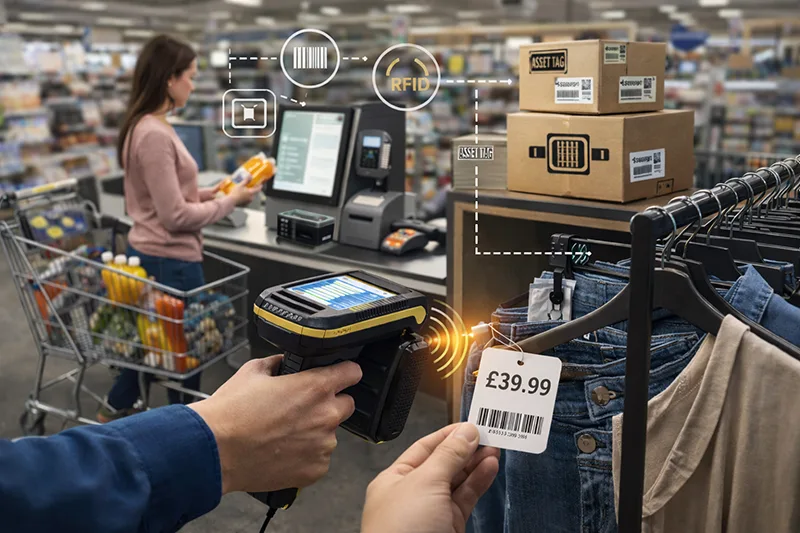
Retail RFID
RFID & QR for Connected Identity. Built for Item-Level Consistency.
Retail traceability focuses on consistent item-level identification across stores,
warehouses, and channels.
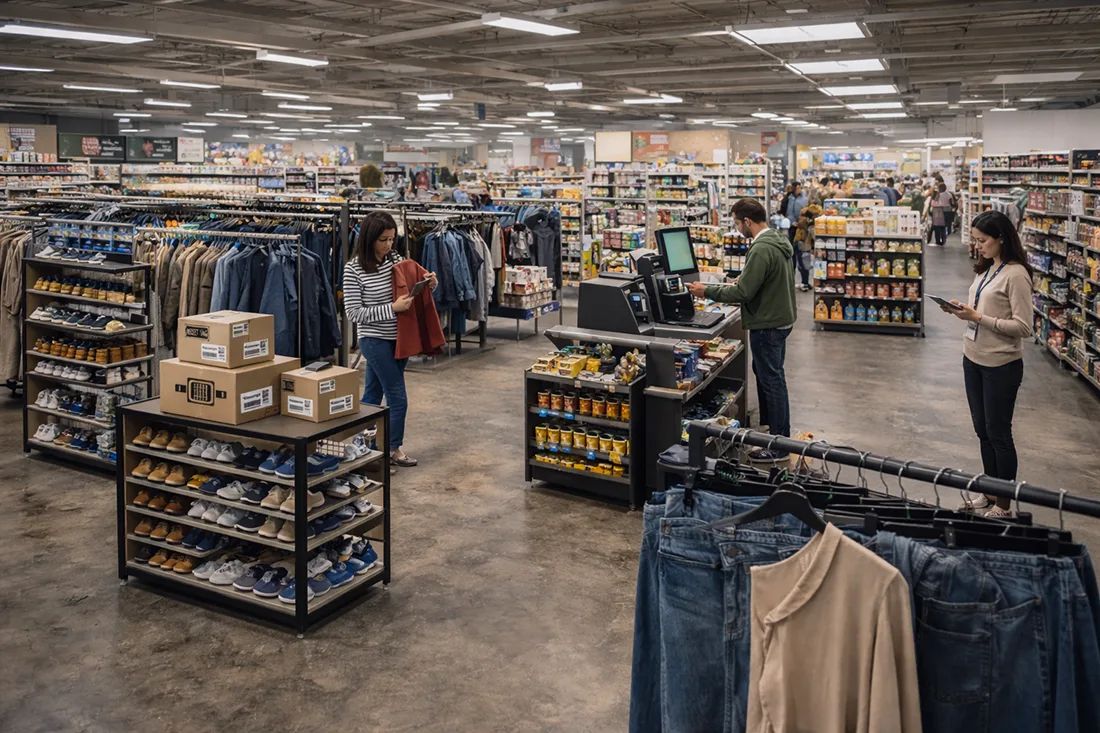
Common Retail RFID Challenges
Retail traceability initiatives frequently encounter:
Inconsistent execution across stores – varying processes, training levels, and infrastructure
Phased deployment – traceability must deliver value before full rollout is complete
Cost sensitivity at the item level – benefits must justify per-unit investment
System coexistence – RFID and barcode processes must operate side by side without conflict
Change management – store teams must trust and use the data provided
Watermill helps retailers design traceability programmes that scale gradually while maintaining consistency and control.
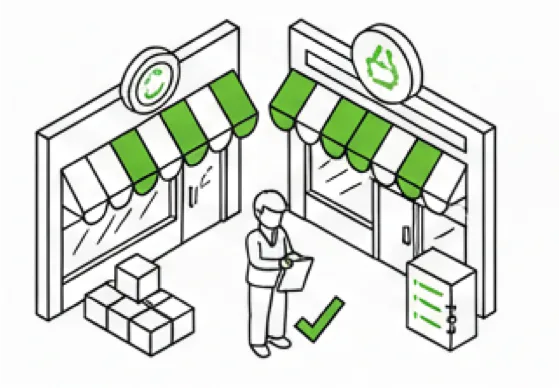
Inconsistent execution
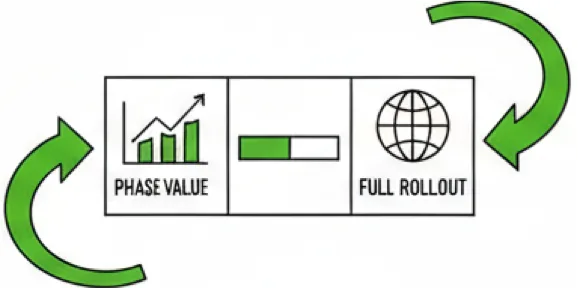
Phased deployment
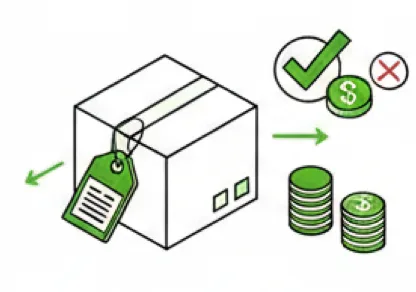
Cost sensitivity
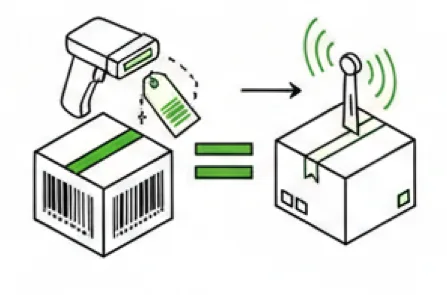
System coexistence
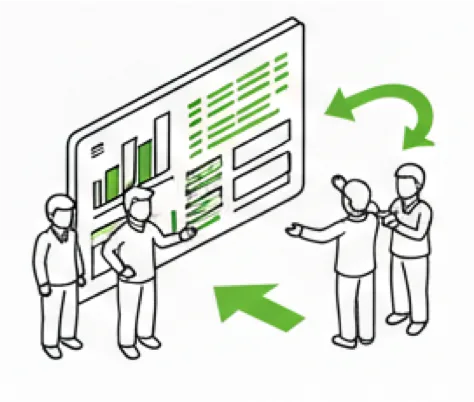
Change management
Drivers Shaping Retail Traceability
Watermill helps customers respond pragmatically to the four key drivers shown below — providing targeted solutions grounded in reality, avoiding over-engineering.

Inventory accuracy and availability
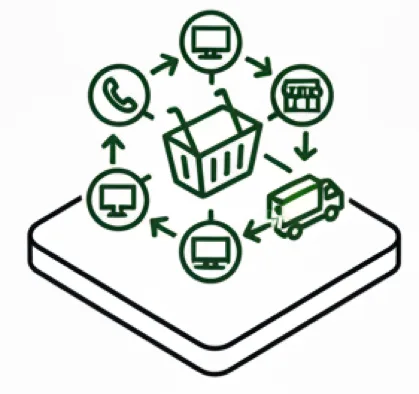
Omnichannel fulfilment

Loss reduction

Consumer expectations for transparency
Traceability Technology Basics - Retail
Retail traceability typically combines:
Barcodes for point of sale, consumer interaction, and returns
RFID for inventory accuracy, automation, and stock visibility
Together, these technologies provide a flexible identification framework that supports
omnichannel operations.
Barcodes 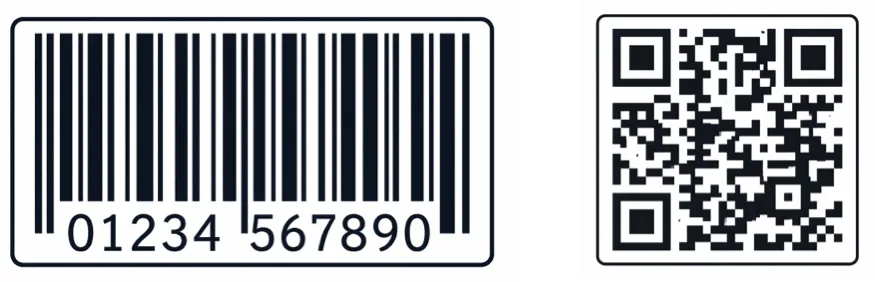
Low cost, widely adopted, and effective where line-of-sight and manual interaction are sufficient
RFID 
Enabling automatic identification, bulk reading, and interaction without direct visibility, even in complex environments
How Watermill Works with Retail Customers
Watermill works in partnership with retailers to:
Supply retail-ready traceability labels
Support phased adoption strategies
Maintain consistency across locations
Advise on systems and integration partners
Support long-term programmes