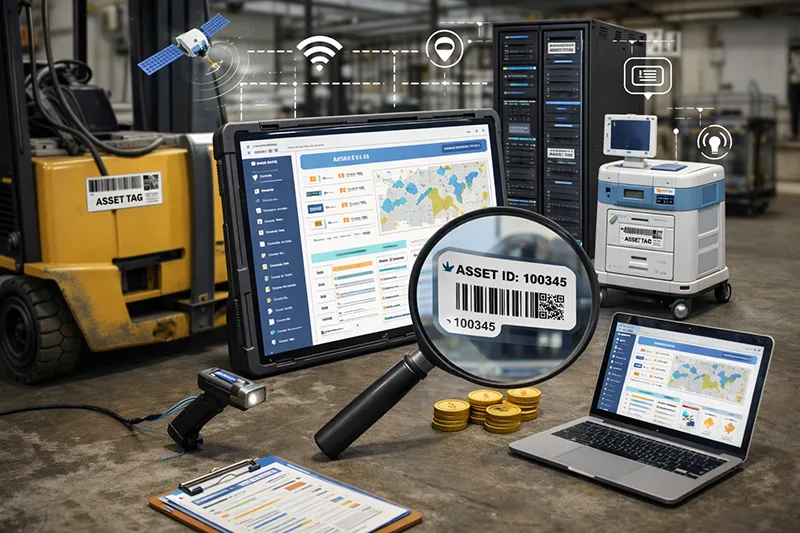
Asset Tracking
RFID & QR for Connected Identity. Built for Long-Term Use
Asset tracking focuses on maintaining reliable identification of long-lived, reusable, or high-value items over extended lifecycles.
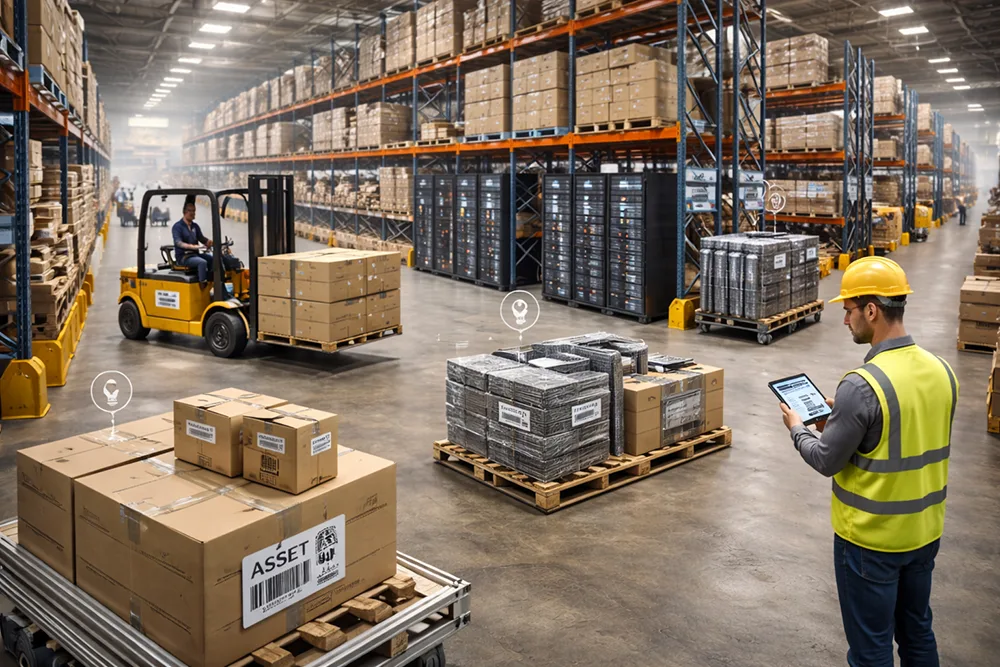
Common Common Asset Tracking Challenges
Asset tracking programmes typically need to address:
Harsh operating conditions – abrasion, chemicals, outdoor exposure, or repeated cleaning
Long lifecycles – identities must remain readable for years, not months
Data continuity – asset history must persist across systems, owners, or locations
High cost of failure – lost or misidentified assets directly impact operations and capital
Retrofit constraints – traceability is often added to existing assets, not designed in from the start
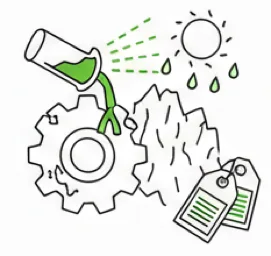
Harsh operating conditions
Long lifecycles
Data continuity
High cost of failure
Retrofit constraints
Drivers Shaping Asset Traceability
Key drivers include:
Operational efficiency

Loss reduction

Reuse and circularity models
Audit and compliance requirements
Traceability Technology Basics - Asset Tracking
Asset traceability often requires:
RFID for automated, repeatable identification
Barcodes for visual identification and redundancy
RFID’s ability to retain and update information with the asset itself is often essential in these use cases.
Barcodes 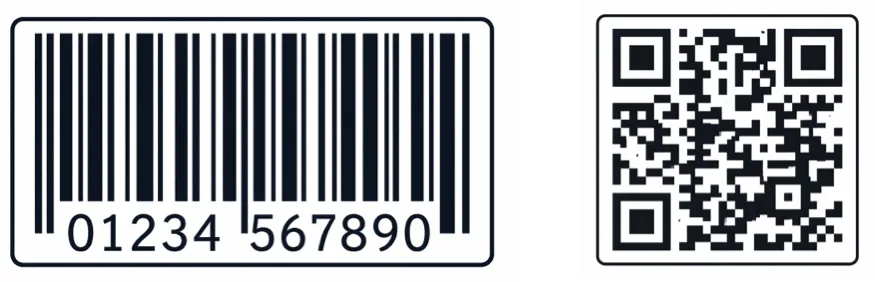
Low cost, widely adopted, and effective where line-of-sight and manual interaction are sufficient
RFID 
Enabling automatic identification, bulk reading, and interaction without direct visibility, even in complex environments
How Watermill Works with Asset Owners
Watermill supports asset owners by:
Supplying durable traceability labels
Advising on lifecycle identity strategies
Verifying performance before deployment
Supporting system integration
Acting as a long-term traceability partner